Choosing among the top types of Sex Toys Dildo starts with a simple question: what kind of sensation or use are you looking for? Realistic designs offer familiar shapes and textures. Suction-cup models can attach to smooth surfaces, while vibrating versions add adjustable stimulation. Curved designs are made for targeted pressure, and dual-ended styles offer different shapes in one toy. There is no perfect ranking for everyone. Comfort matters.
Sexologist and educator Dr. Carol Queen’s work supports a practical principle: personal comfort, intended use, and individual preference should guide the choice. This is a paraphrase of her educational approach, not a direct quotation. Before buying, check the material, dimensions, cleaning instructions, and whether the toy is compatible with your lubricant. Body-safe, nonporous materials, such as quality silicone, glass, or stainless steel, can be easier to clean when used according to the manufacturer’s directions. Small details count, including a flared base when a design is intended for anal use. Read product specifications rather than relying on photographs alone. A close-up may show texture, but it cannot tell you how a toy will feel in your hand or fit your needs. This guide compares common designs and their practical differences, without treating one style as universally best. Preferences can change. That is worth remembering.
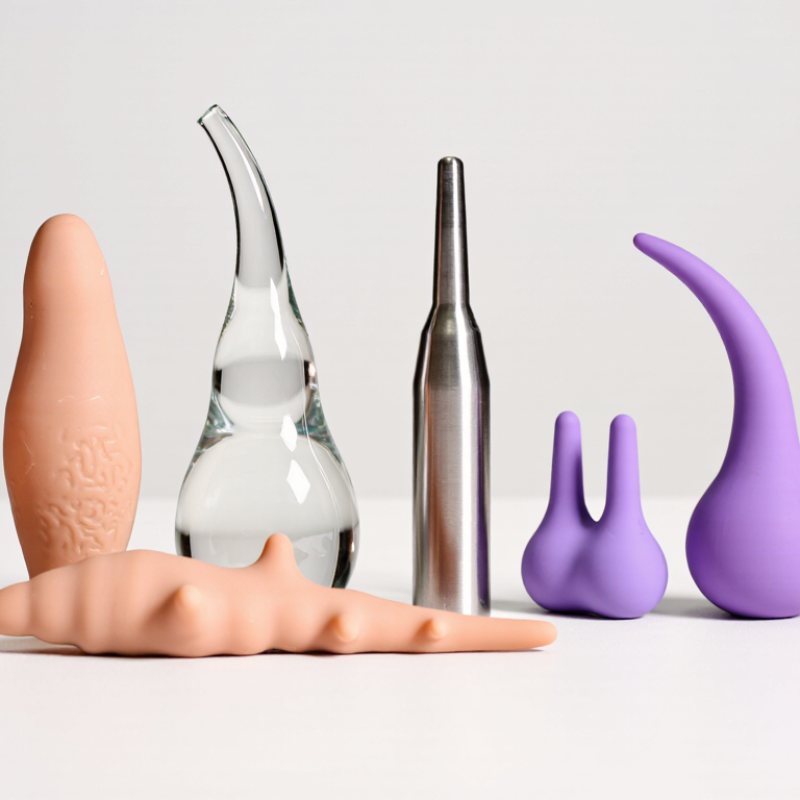
A dildo is generally an insertable sex toy without a motor; a vibrator adds powered stimulation, though some designs combine both. Classification usually considers shape, size, material, flexibility, and features such as suction-cup bases or harness compatibility. Common forms include straight, curved, and anatomically shaped designs. These labels are useful, but imperfect: shape alone cannot predict comfort or fit. Grand View Research’s 2024 sex-toys market report estimated the global market at USD 35.2 billion in 2023. That figure covers many product types, not dildos alone, so it should not be read as a dildo sales estimate.
Material is another practical way to compare products. Nonporous silicone, stainless steel, and borosilicate glass are common options; each feels and behaves differently. Check product-care instructions, inspect surfaces for damage, and use compatible lubricant. A firm glass toy, for example, may feel very different from flexible silicone. Fit matters. Personal preference varies, and product descriptions cannot replace careful, comfortable use.
Tips: Start with a size and shape that feel manageable, and clean the toy according to its instructions before and after use. If sharing, use a new condom between partners or between body areas, and change it each time. Stop if there is pain or irritation.
Common dildo shapes include straight, tapered, curved, and anatomically detailed designs. A straight shaft offers a familiar outline, while a tapered tip can feel easier to position. Curved forms are often designed for targeted pressure, though anatomy and comfort vary. Rabbit-style designs add a second arm for external stimulation. Some models have suction-cup bases for hands-free positioning on compatible, smooth surfaces. Small details matter: a broad base can improve grip, and a rounded tip may feel less abrupt.
Shape labels are imperfect. Two curved designs can feel very different in use. Grand View Research valued the global sex-toy market at USD 35.2 billion in 2023, but its market-wide figure does not rank dildo shapes. That distinction matters; broad sales data cannot tell anyone which form will suit them. Material, length, girth, and flexibility also change the experience. A firm, narrow design behaves differently from a soft, wider one. Check that the product is made from body-safe, nonporous material, and clean it according to its care instructions. Start gently. Preferences can change.
Materials Used in Different Dildo Types
Material affects a dildo’s feel, cleaning routine, and durability. Grand View Research estimated the global sex toys market at USD 35.2 billion in 2023, reflecting demand for varied product types. Market growth, however, does not prove that every material is equally well tested. Feel matters.
Body-safe silicone is flexible, smooth, and nonporous when made and finished properly. Tempered glass and stainless steel are firm, nonporous options; their weight and temperature can feel quite different. ABS plastic is lightweight and often used in rigid designs. Some softer products use TPE or TPR, which may be porous and harder to clean thoroughly. Check the maker’s care instructions, especially when the material is unclear.
ISO 3533:2021 sets safety and design requirements for sexual products, but it is not a product certification or a guarantee about every ingredient. That distinction matters. Look for clear material descriptions, inspect surfaces for cracks or peeling, and stop using a product if irritation occurs. Porous materials may require extra caution, including using a compatible condom as a barrier. Cleaning advice varies by material, so boiling or harsh chemicals are not universal solutions. Even familiar labels can be vague; when details are missing, it is reasonable to pause and ask what the product is made of.
Typical Shore A Hardness Ranges of Flexible Materials
Silicone and TPE/TPR are common materials for flexible designs. These broad, illustrative ranges vary by formulation and are not product-specific specifications. Higher Shore A values indicate a harder elastomer. Glass, stainless steel, and ABS are also used for rigid designs, but their hardness is measured differently and is not directly comparable on the Shore A scale.
Specialized designs shape how a dildo feels and fits into a person’s routine. Curved models are made to provide targeted pressure, while dual-stimulation designs combine different shapes for broader contact. Textured ridges or flexible shafts offer another kind of sensation, but more detail does not always mean more comfort. A smaller, smoother design may be easier to control. There is no universal best choice.
Suction-cup bases can attach to clean, smooth surfaces, though they may not hold on every material. Wearable styles leave the hands free, but fit and movement matter; a loose fit can be distracting. For anal use, choose a design with a wide, flared base that stays outside the body. Check materials and care instructions. Nonporous materials, such as quality silicone, glass, or stainless steel, are generally easier to clean when used as directed. Still, inspect products for damage before use.
Tips: Match lubricant to the toy’s material; silicone lubricant may damage some silicone toys. Wash before and after use, and do not share without cleaning and a fresh barrier. Start gently. Comfort can change, and it is worth adjusting rather than pushing through discomfort.
Comparing dildo types starts with material, because it affects feel, care, and flexibility. Silicone is usually flexible and nonporous, while glass feels firm and smooth. Check product information carefully; material quality and care needs can vary. Avoid items with cracks, rough seams, or unclear material details.
Shape matters just as much. A curved design may suit someone seeking targeted pressure, while a straighter shape offers a more neutral feel. Realistic styles emphasize anatomical detail; minimalist designs often have simpler contours. Firmness changes the experience, too. A softer model may bend under pressure, while a rigid one holds its shape. Small differences matter.
Size is personal. Compare length and circumference, not just overall appearance, and choose a size that feels manageable. A flared base can help keep a dildo secure during use and may work with compatible harnesses. Also consider weight, grip, and cleaning access. Check care instructions before using cleaners or lubricants, since compatibility depends on the material. It is easy to focus on appearance and overlook storage or cleaning. That deserves a second thought.
| Type | Typical Features | Common Materials | Flexibility and Feel | Key Comparison Factors |
|---|---|---|---|---|
| Classic or Straight | A simple, generally straight shape; may have a smooth or textured surface. | Silicone, glass, stainless steel, or elastomer blends | Depends on the material: silicone is often slightly yielding, while glass and steel are firm. | Compare length, circumference, base design, surface texture, and ease of cleaning. |
| Realistic-Style | Designed with anatomical details such as a defined head, veins, or skin-like coloring. | Silicone or softer elastomer materials | Varies from relatively firm to soft and flexible. | Check the material and surface finish, not just appearance. Softer porous materials can require extra care and should not be shared without a condom. |
| Curved or Prostate-Style | A curved or angled tip intended to help target internal areas; some models have a flared base. | Usually silicone; some rigid glass or steel options are available. | May be flexible or firm, depending on the design and material. | Compare curve, length, circumference, firmness, and base. For anal use, choose a design with a wide, flared base to help prevent the toy from slipping inside. |
| Suction-Cup | Has a suction base that can attach to some smooth, nonporous surfaces. | Often silicone or elastomer blends | Typically flexible to moderately firm; suction performance varies by surface. | Consider base size and surface compatibility. Suction may not hold reliably on textured, porous, or uneven surfaces. |
| Vibrating | Contains a motor for vibration; may have multiple speeds or patterns. | Often silicone over a motor housing; some designs use other body-safe materials. | Usually has a flexible outer surface, with firmness influenced by its internal structure. | Compare controls, power source, noise, waterproof rating, and cleaning instructions. Waterproof and water-resistant are not interchangeable ratings. |
| Dual-Density or Soft-Feel | Uses layered construction to create a softer outer feel around a firmer core. | Commonly layered silicone or elastomer materials | Often softer at the surface but supported by a firmer interior. | Check the stated materials and care guidance. If the outer material is porous, use a condom when sharing and follow the manufacturer’s cleaning instructions. |
| Glass or Stainless-Steel | Rigid, smooth designs; some glass models have curves or textured surfaces. | Borosilicate glass or stainless steel | Firm and non-flexible; may feel cool or warm when brought to a comfortable temperature. | Look for a smooth, undamaged surface and a design intended for body use. Avoid sudden extreme temperature changes and follow the care instructions. |
Comparison note: These categories can overlap—for example, a dildo can be both realistic-style and vibrating. Material, size, shape, base design, and care requirements are separate factors. Use compatible lubricant and follow the product’s cleaning and use instructions.
A dildo is generally an insertable toy without a motor. A vibrator uses powered stimulation. Some designs combine both features.
Common options include silicone, glass, stainless steel, ABS plastic, and softer materials such as TPE or TPR. They differ in firmness, flexibility, and cleaning needs. Feel matters.
Curved designs may provide more targeted pressure, while straight shapes offer a more neutral feel. Anatomical details and simple contours also change the experience. Shape alone cannot predict comfort.
Compare length and circumference, not just appearance. Choose dimensions that feel manageable, and consider grip and weight. Smaller differences can matter.
Look for clear material details and follow the care instructions. Inspect the surface for cracks, peeling, or rough seams. If details are missing, pause and ask.
No. Cleaning advice depends on the material, so check the product instructions. Boiling and harsh chemicals are not suitable for every toy. That deserves a second thought.
Some TPE or TPR products may be porous and harder to clean thoroughly. Consider a compatible condom as a barrier, especially when sharing. Material labels can be vague.
Clean the toy before and after use according to its instructions. Use a new condom between partners or body areas, and change it each time. Stop if pain or irritation occurs.
Dildos are intimate wellness products designed for personal exploration and can be grouped by their shape, size, features, and intended use. Common forms include straight, curved, tapered, and textured designs, each offering a different feel and style of stimulation. Some are made for external use, while others are shaped for particular kinds of personal use. The phrase Sex Toys Dildo can describe a broad category rather than one specific design, since products vary widely in form and function.
Materials also influence flexibility, firmness, texture, and care requirements. Specialized designs may include features such as suction bases, wearable shapes, or added contours. When comparing types, consider comfort, dimensions, material, ease of cleaning, and whether the design suits your preferences. A thoughtful comparison can help readers understand the choices available and select an option that feels appropriate, comfortable, and easy to maintain.