Demand for intimate products is no longer confined to specialist shops. Online retail, discreet delivery, and more open conversations about sexual wellness have made an Erotic Sex Toy easier to discover and buy. For many adults, the appeal is practical: a compact device, clear controls, and private delivery can reduce barriers to trying something new. Not every buyer has the same reason.
Market estimates point to broader commercial growth. Grand View Research valued the global sexual wellness market at about US$35.2 billion in 2023 and projected a 7.6% compound annual growth rate from 2024 to 2030. This category includes more than sex toys, so the figure should not be read as toy sales alone. That distinction matters. Market boundaries differ between reports, and projections are not proof of future demand.
Still, several forces help explain the interest: wider product choice, improved materials and design, online reviews, and greater visibility of personal wellness. A quiet motor on a bedside table, a body-safe silicone surface, or a simple charging cable can shape the buying experience as much as advertising does. Privacy matters, too. Yet demand is not universal, and a rising market cannot tell us what individuals want. The data has limits. A closer look at consumer needs, product quality, and trust helps explain why interest continues across regions.
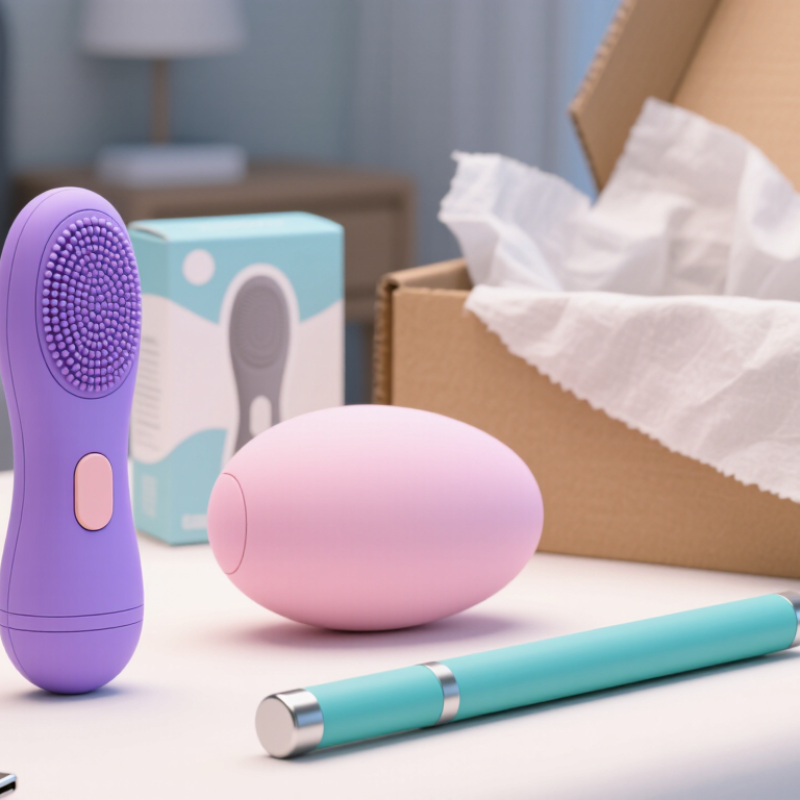
Erotic sex toys are products designed for adults to support consensual pleasure, body exploration, or intimacy. The category includes external stimulators, insertable devices, couples’ products, and related accessories. Some are manual; others use motors, warmth, or app-based controls. Their shapes, materials, power sources, and intended uses vary widely. Not every product suits every body. That matters.
The scope also covers how products are made, described, cleaned, and used. Clear material details, instructions, and cleaning guidance help shoppers make informed choices. Yet labels can be vague, and marketing claims do not prove safety or performance. Check dimensions, care instructions, and whether a device is intended for external or internal use. For shared use, clean it between users and consider fresh barriers. Comfort is personal, not a score.
Tips: Choose a design that is easy to clean. Read the instructions, use compatible lubricant, and stop if discomfort occurs. Seek qualified medical advice for persistent pain or irritation.
Definition and scope: Erotic sex toys are products designed to support sexual pleasure or stimulation, including vibrators. These U.S. survey findings offer one indicator of personal use—not a measure of global demand or market size. The broader category also includes products such as lubricants and other stimulation devices.
Source: Herbenick et al., nationally representative U.S. studies on vibrator use among women and men, 2009. Values show respondents reporting ever having used a vibrator.
Erotic toys have not entered human life in one simple, documented story. Historical records are uneven, and some artifacts described as intimate objects remain open to interpretation. What has changed more clearly is public discussion. In many places, private products once surrounded by shame are now discussed alongside sexual wellbeing, personal comfort, and communication between adults. This shift reflects changing attitudes toward pleasure and bodily autonomy, though acceptance still varies widely.
Online information and discreet shopping have made these products easier to learn about and access. Yet greater visibility does not mean every source is reliable, or that every person feels comfortable using them. Cultural expectations, age, relationships, and personal values all shape choices. There is no single modern attitude. Some people see intimate toys as useful aids; others have concerns or simply no interest. That difference deserves respect. It is also worth questioning whether commercial messages sometimes present a product as a solution to problems that need conversation, care, or professional advice instead.
Why Are Erotic Sex Toys in High Demand Worldwide?
Demand for erotic sex toys reflects changing attitudes toward personal pleasure and sexual wellness. More people now discuss intimate needs openly, though comfort levels differ across cultures and generations. That visibility can make curiosity feel less isolating. It matters.
Online shopping also makes product discovery easier. Shoppers can compare sizes, materials, functions, and care instructions from home. Discreet packaging may reduce embarrassment, while clear product information helps people make more thoughtful choices. Convenience is a real driver, but privacy concerns remain.
Another factor is the wider range of designs for different preferences and mobility needs. Reputable educational resources can help buyers understand material safety, cleaning, and storage. These details are practical, not glamorous. Still, product descriptions are not always equally clear, and marketing can overstate benefits. Buyers may need to check claims carefully and seek qualified health advice when they have specific concerns. Greater access does not mean every product suits every person, or that conversations about pleasure have become easy everywhere.
Technology is reshaping how adults discover and use erotic sex toys. Online stores make product details, user guides, and customer feedback easier to compare across regions. A shopper can check dimensions, cleaning instructions, and charging time before buying. That access matters.
Product design has also become more adaptable. Adjustable vibration patterns, quieter motors, rechargeable batteries, and app controls offer more ways to personalize use. Some connected products can be controlled from a distance, though a reliable connection is not guaranteed. An app can add options, but it can also make setup feel needlessly complicated. Simple controls still count.
Worldwide growth depends on more than new features. Online retailers can offer multilingual instructions, discreet packaging, and customer support suited to different markets. Clear information about body-safe materials, cleaning, battery care, and data privacy helps buyers make informed choices. Small details matter. Reviews can reveal practical issues, such as a slippery button or a short charging cable, but they are not proof of quality. Technology attracts attention; trustworthy guidance and thoughtful design help earn confidence.
The indicators below show factors that can support market expansion. Internet and e-commerce figures describe the wider digital economy, not sex-toy sales specifically; user research cited here is country-specific and should not be treated as a global estimate.
| Market dimension | Reported indicator or established development | Why it may support demand | Evidence and scope |
|---|---|---|---|
| Digital reach | An estimated 5.4 billion people—about 67% of the world’s population—were using the internet in 2023. | Online access makes product information, reviews, and discreet purchasing available to more potential customers. | International Telecommunication Union (ITU), Facts and Figures 2023. This is a general internet-access measure, not a sex-toy sales statistic. |
| E-commerce access | Global e-commerce sales reached an estimated US$26.7 trillion in 2019, including business-to-business and business-to-consumer transactions. | Established online shopping infrastructure can lower practical barriers such as limited local selection and the need to shop in person. | United Nations Conference on Trade and Development (UNCTAD), reporting on global e-commerce sales. The figure covers the wider economy and is not specific to adult products. |
| Consumer use | A nationally representative U.S. study reported that 52.5% of surveyed women aged 18–60 had used a vibrator at some point in their lives. | The finding documents existing use in one large consumer market and suggests that sexual-wellness products are familiar to a substantial share of that study population. | Herbenick et al., Journal of Sexual Medicine (2009), “Prevalence and characteristics of vibrator use by women in the United States.” U.S.-only, self-reported data; not a worldwide estimate. |
| Connected products | Bluetooth-connected devices and companion applications can enable remote controls, adjustable settings, and interactive features. | Connectivity can add personalization and support long-distance use, creating product options beyond basic, manually operated designs. | These are product capabilities, not a quantified measure of global adoption. Availability and functionality vary by product and market. |
| Safety standards | ISO 3533:2021 sets safety requirements for the design and manufacture of products in direct contact with genitalia or the anus. | Clearer safety expectations can help inform product design and consumer confidence as the category develops. | International Organization for Standardization (ISO), ISO 3533:2021. A standard’s existence does not mean every product is certified or compliant. |
| Privacy and discretion | Online ordering and direct-to-home delivery offer a purchasing route that does not require visiting a specialist shop. | For consumers who value discretion or have limited access to in-person retailers, this can make purchasing more convenient. | A qualitative market mechanism; no single internationally comparable public statistic measures its effect on sex-toy demand. |
Interpretation: Digital access, online retail, product innovation, and changing consumer familiarity can help explain market interest. The indicators shown do not establish a precise worldwide market size or prove that any one factor caused sales growth.
Regulation shapes how erotic sex toys are designed, labeled, and sold, but requirements differ across markets. Clear instructions matter. Buyers should be able to find material details, cleaning guidance, and age-appropriate warnings without searching through vague claims. Terms such as “body-safe” are not a substitute for specific information about materials and care.
Safety also depends on everyday use. A quick check for cracks, sharp seams, or damaged charging cables can prevent avoidable problems. Clean toys according to their instructions, and do not assume one cleaning method suits every material. If a toy causes pain or persistent irritation, stop using it and seek advice from a qualified health professional. Small steps count.
Social attitudes are changing, though unevenly. More people now discuss sexual wellness openly, while others still feel embarrassed buying products or asking basic questions. Discreet packaging and clear privacy policies can help, but they do not solve every concern. The industry still has work to do: product descriptions can be confusing, and safety language sometimes sounds more certain than the evidence behind it. More honest labeling would help consumers make calmer, better-informed choices.
They support consensual pleasure, body exploration, or intimacy for adults. Designs include external stimulators, insertable devices, and couples’ products.
Check its dimensions, intended use, materials, and cleaning instructions. Not every design suits every body. Comfort is personal.
Look for cracks, sharp seams, or damaged charging cables. Stop if discomfort occurs. Small checks matter.
Follow the product’s specific care instructions. Cleaning methods can vary by material. Don’t guess.
Clean the device between users and consider fresh barriers. Compatible lubricant may also help, depending on the product instructions.
Not necessarily. Apps can add adjustable settings, but setup may feel complicated. Simple controls still count.
Look for specific material details and clear care guidance. Vague terms alone do not prove safety or performance.
Stop using it if pain or persistent irritation occurs. Seek advice from a qualified health professional. Don’t just push through.
No. Reviews may mention details like slippery buttons or short charging cables, but they do not prove quality. I’d still want clearer evidence.
Erotic Sex Toys are products designed to support private pleasure, intimacy, and personal exploration. Their use has changed over time as social attitudes toward sexuality have become more open and conversations about wellbeing have grown. What was once discussed mostly in private is now more often considered part of broader conversations about relationships, self-care, and individual choice.
Growing worldwide demand reflects greater consumer awareness, wider access to information, and interest in products that suit different needs and preferences. Advances in materials, design, and digital technology have also expanded the range of options and made shopping more convenient. At the same time, buyers increasingly look for clear product information, responsible manufacturing, and guidance on safe use and hygiene. Regulations and social norms vary across regions, so companies and consumers alike must pay attention to local requirements and standards. Together, these changes are shaping a growing market while encouraging more informed, respectful, and safety-conscious choices.